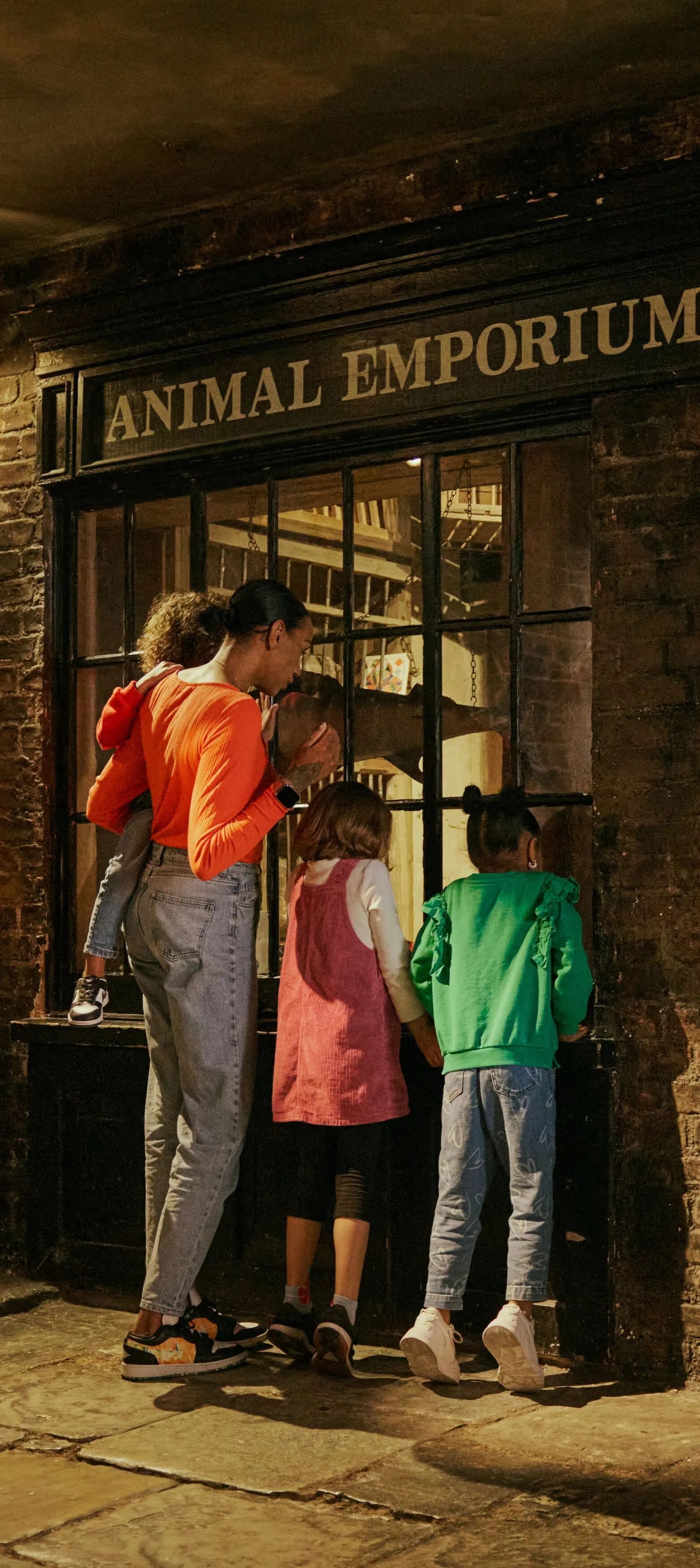
Tower Hamlets
Taking in Spitalfields, Bow and, to the south, the Isle of Dogs, Tower Hamlets’ story dates back to Roman times.
The imprint of the many migrant communities who’ve made the area their home is everywhere – perhaps most notably in Brick Lane Jamme Masjid. Now a mosque, it was built in 1743 as a French Protestant church, before becoming a synagogue in 1898.
Tower Hamlets’ diverse influences are part of the draw for numerous creative people. Artists Gilbert & George and Tracey Emin are among those to have lived in the borough.
Tourists flock to bustling markets on Columbia Road and Petticoat Lane – and to explore the streets once roamed by Jack the Ripper.
But it’s also where bankers go to work among the sleek glass towers of Canary Wharf. And where Victoria Park opened in 1845 for the benefit of the East End working class – one of the first public parks in London.

The Roman Road market in 1968
2,481 Results
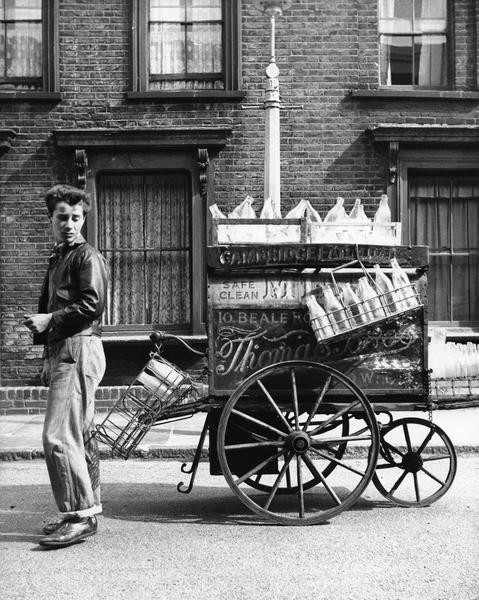
A milkman and his cart in Bethnal Green, East London (silver gelatin print)
Henderson, Nigel
1950-1952
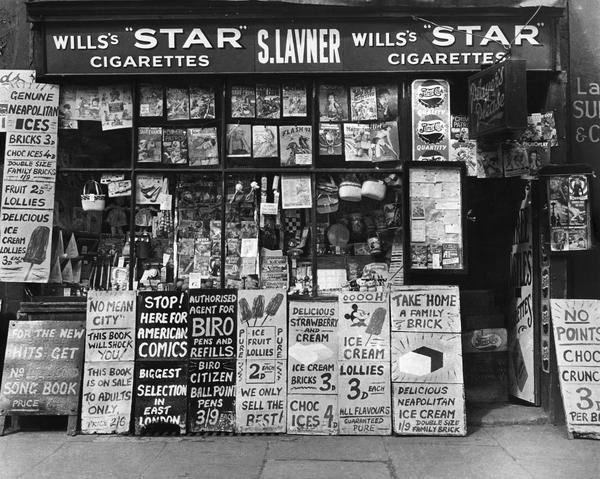
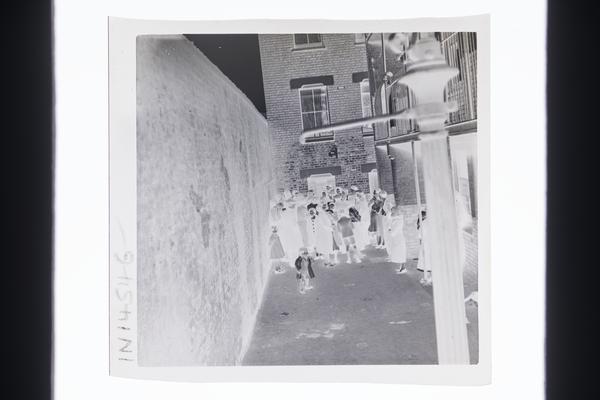
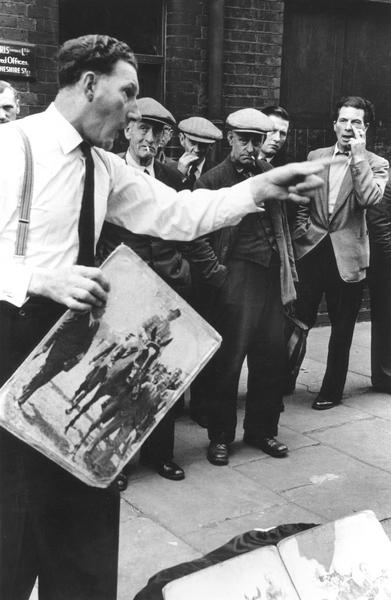
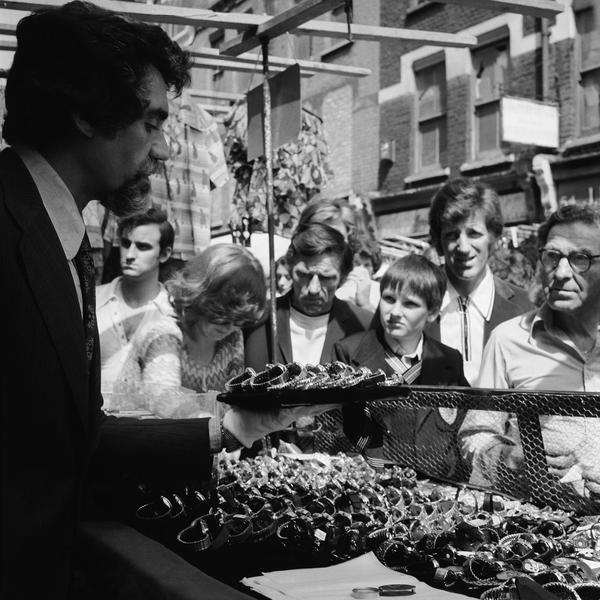

A shop at the intersection of Brick Lane and Princelet Street (mixed-media)
Pullen, Alison
1992
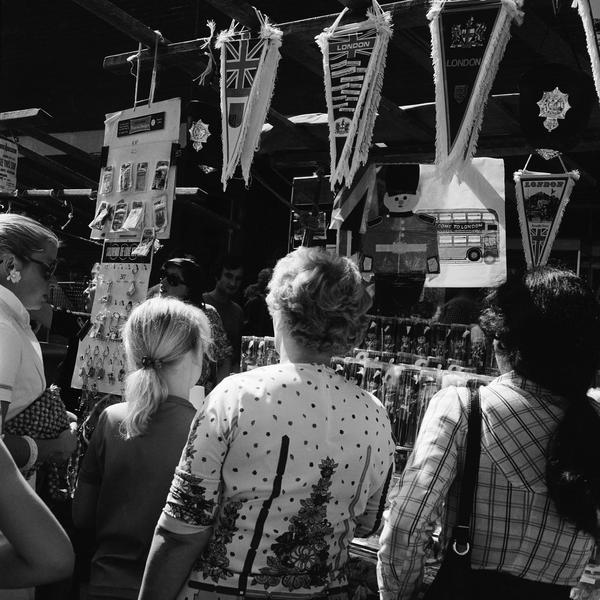
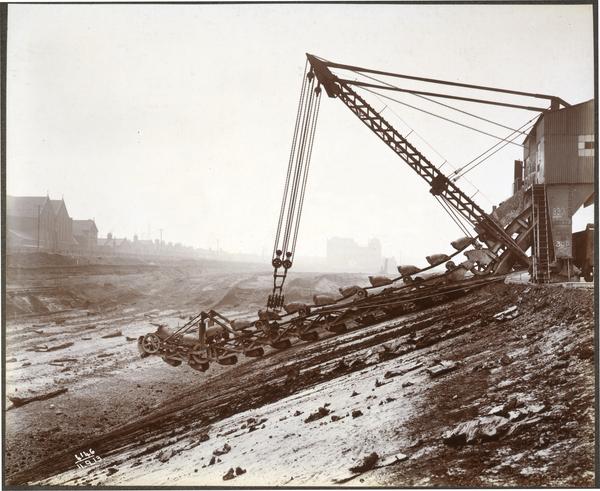
A steam-powered excavator, Royal Albert Dock (gelatin silver print)
Avery, John Henry
1913-09-11
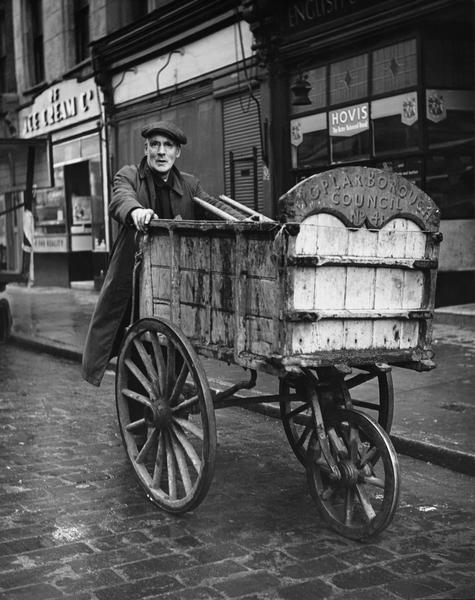
A street cleaner for Poplar Borough Council (silver gelatin print)
Henderson, Nigel
1952
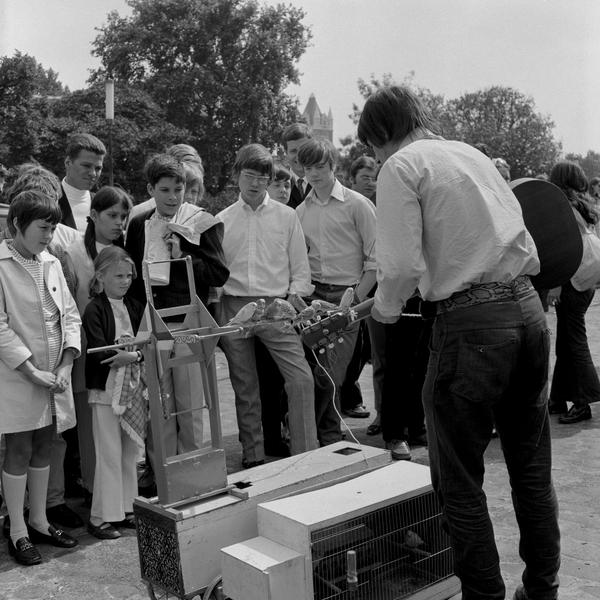
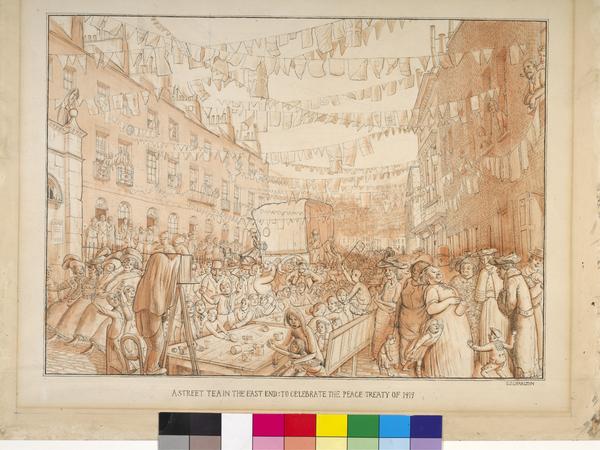
A Street Tea in the East End: To Celebrate the Peace Treaty of 1919 (brown wash)
Charlton, George
1919
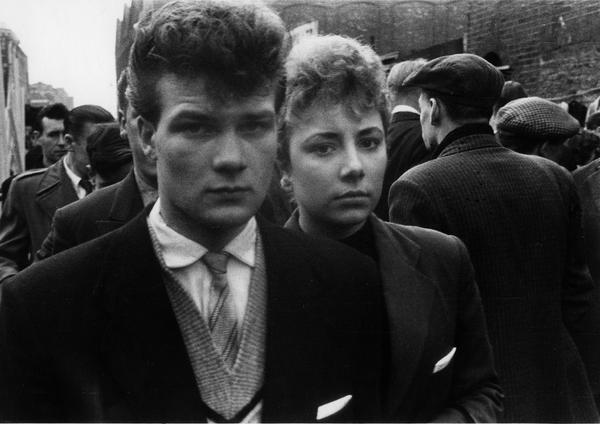
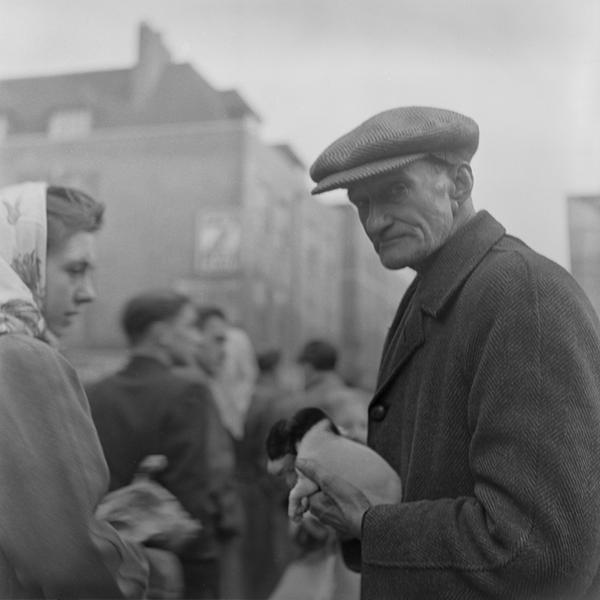
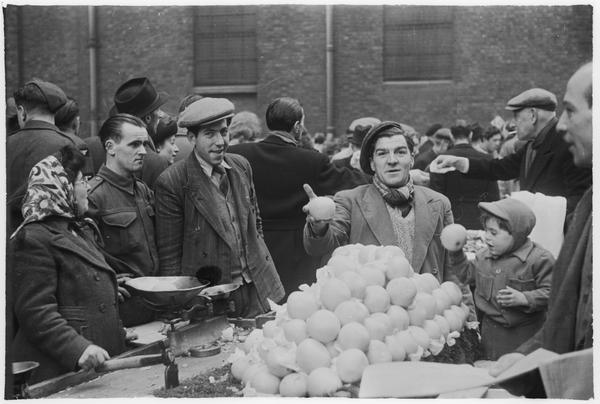
A trader sells fruit at Petticoat Lane street market (cellulose acetate negative)
Grant, Henry
1952
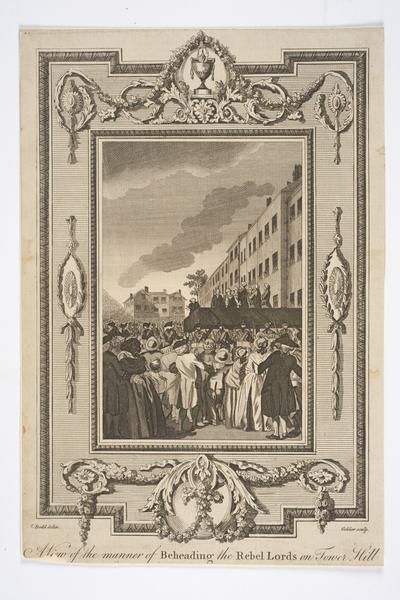
A View of the manner of Beheading the Rebel Lords on Tower Hill (engraving)
Goldar, John
1746
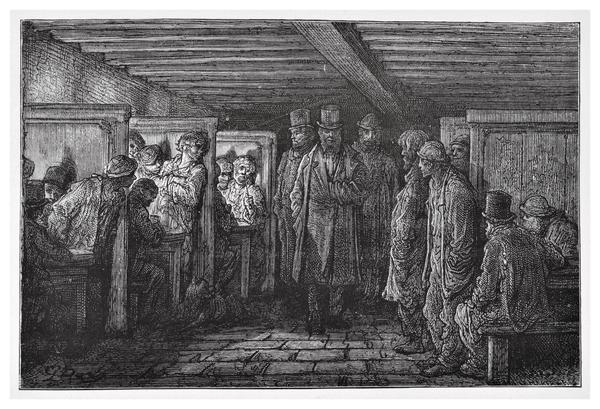
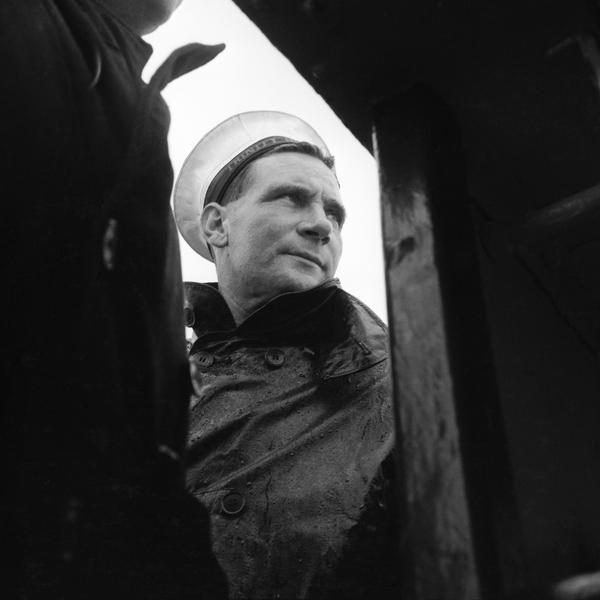
A worker wearing Trinity House uniform photographed at the Trinity House depot at Trinity Buoy Wharf (negative)
Grant, Henry
1958-08